
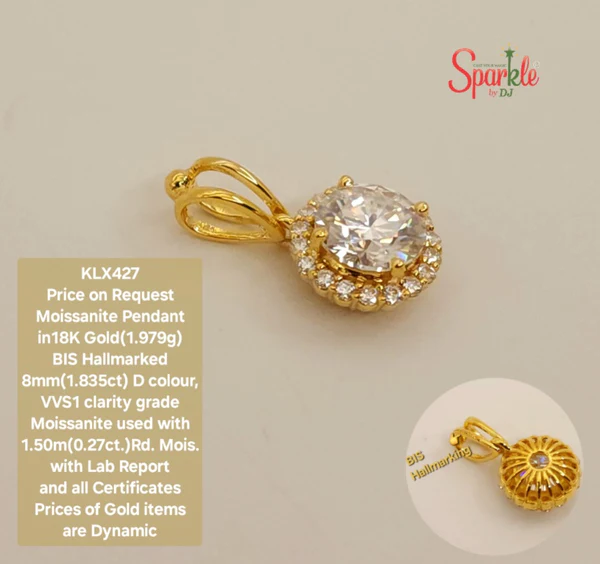
Moissanite is loved for its intense sparkle, durability, and diamond-like look—but not all moissanite stones look exactly the same. When you shop for moissanite jewelry, you’ll often see three important quality factors: cut, clarity, and color.
Each one affects how the stone looks and performs in different ways. Cut controls sparkle. Clarity affects how clean the stone appears. Color influences whether your moissanite looks icy white or slightly warm.
If you’re wondering what the real difference is between moissanite cut, clarity, and color, this guide breaks down each factor in a simple way so you can choose the best stone for your style and budget.
1) What Is Moissanite Cut?
Moissanite cut refers to how well the gemstone has been shaped and faceted. This is not the same as the shape (such as round, oval, or cushion). Cut is about craftsmanship: how precisely the facets are placed, how symmetrical the stone is, and how well it reflects light.
Why cut matters the most:
Cut has the biggest impact on how much your moissanite sparkles. Even a high-clarity, colorless stone can look dull if the cut is poor. A well-cut moissanite will reflect light beautifully and create the fiery brilliance moissanite is known for.
What a good cut does:
- Maximizes sparkle and brilliance
- Enhances fire (the rainbow flashes moissanite is famous for)
- Improves the stone’s overall symmetry and shine
- Helps the stone look more bright and lively in all lighting
Common moissanite shapes (not the same as cut quality):
- Round
- Oval
- Cushion
- Princess
- Emerald
- Pear
- Marquise
In general, round shapes show the most sparkle, while step cuts like emerald cuts show more clean flashes of light and a sleeker look.
2) What Is Moissanite Clarity?
Moissanite clarity refers to how clear the stone is and whether it contains any visible internal marks (called inclusions) or surface imperfections. Most moissanite is created in controlled environments, so it tends to be very clear compared to many natural gemstones.
Why clarity matters:
Clarity affects how clean and crisp the stone looks, especially in larger sizes or certain cuts. Higher clarity means fewer visible imperfections, leading to a brighter, cleaner appearance.
What to expect with moissanite:
Many moissanite stones are graded as:
- VVS (Very Very Slightly Included)
- VS (Very Slightly Included)
This means any inclusions are usually tiny and difficult to see without magnification. In real life, most moissanite looks eye-clean, meaning it appears clear to the naked eye.
Best clarity choice for most buyers:
If your goal is an everyday, beautiful stone, eye-clean clarity is often enough. Extremely high clarity can cost more, but the difference may be hard to notice without close inspection.
3) What Is Moissanite Color?
Moissanite color refers to how white or warm the stone appears. Just like diamonds, moissanite can range from colorless (bright white) to near-colorless or slightly warm tones.
Why color matters:
Color influences the overall “look” of the stone. Many people want moissanite that looks icy white like a high-grade diamond. Others prefer a slightly warmer tone that feels softer and more natural.
Moissanite color ranges:
- Colorless (bright white, diamond-like)
- Near-colorless (slightly warm, but still looks white in most lighting)
- Warm (noticeable tint, often more visible in larger stones)
How color shows up:
Moissanite can sometimes show color in certain lighting, especially under warm indoor lights or sunlight. This is normal and part of moissanite’s character, especially because it has strong fire.
Best color choice for most jewelry:
- If you love a bright, icy look: choose colorless or near-colorless
- If you like softer warmth or vintage style: slightly warm tones can be beautiful
Metal choice also affects appearance. White metals (silver or white gold) can make warm tones stand out more, while yellow or rose gold can make warmth look intentional and elegant.
Cut vs Clarity vs Color: Which Matters Most?
If you’re choosing between the three, here’s a simple way to prioritize:
Most important: Cut
Cut impacts sparkle more than anything else. A high-quality cut will make your moissanite look brilliant and expensive.
Next: Color
Color affects whether your moissanite looks icy or warm. Many buyers want a stone that looks bright white, so color matters in achieving that look.
Then: Clarity
Clarity matters, but moissanite is often naturally high clarity. As long as the stone is eye-clean, clarity is rarely an issue for everyday beauty.
Quick Guide: Best Moissanite Choice Based on Your Style
If you want maximum sparkle:
- Choose a high-quality cut (especially round brilliant)
If you want a clean, diamond-like look:
- Choose colorless or near-colorless
If you want a softer, warmer look:
- Choose near-colorless with a warm tone, especially in yellow or rose gold settings
If you want the best overall value:
- Choose an excellent cut + eye-clean clarity + near-colorless color
Final Thoughts: Understanding Moissanite Cut, Clarity, and Color
Moissanite cut, clarity, and color all work together to create the final appearance of your gemstone. Cut affects sparkle, clarity affects how clean the stone looks, and color affects how white or warm it appears. If you want the most beautiful moissanite, focus on cut first, then choose the color tone you love, and make sure clarity is eye-clean.
At SparklebyDJ, moissanite jewelry is about choosing a stone that fits your style—whether you love bold fire and brilliance, or a clean, classic, diamond-like look you can wear every day.