
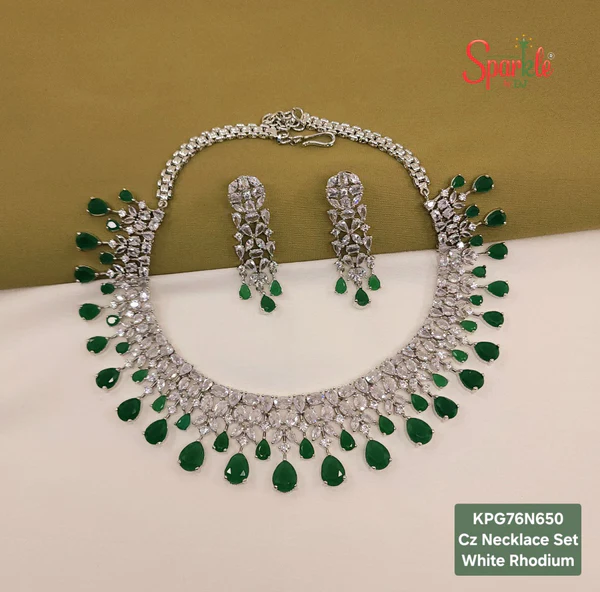
A lab-created gemstone is a real gemstone that is made in a controlled laboratory environment instead of being mined from the earth. These gems have the same chemical makeup, crystal structure, and visual beauty as natural gemstones—because they’re essentially the same material, just formed in a different way.
Lab-created gemstones are sometimes also called lab-grown gemstones or man-made gemstones, but the most important detail is this: lab-created does not mean fake. It simply means the gemstone was created using advanced technology that replicates the natural conditions required for a gem to form.
For jewelry lovers, lab-created stones have become a popular choice because they offer stunning brilliance, consistency, and a more accessible price point.
Are Lab-Created Gemstones Real?
Yes, lab-created gemstones are real gemstones.
They are not plastic or glass, and they are not the same as imitation stones. A lab-created gemstone has the same physical and chemical properties as a natural gemstone.
The key difference is where it comes from:
- Natural gemstone: formed underground over millions of years
- Lab-created gemstone: formed in a lab over a shorter period using scientific methods
Because the composition is the same, lab-created gemstones often look just as beautiful—and in some cases, even clearer and more consistent than mined stones.
How Are Lab-Created Gemstones Made?
Lab-created gemstones are made using processes that mimic how natural gems form. While there are different methods, the goal is the same: to recreate the heat and pressure conditions that naturally form gemstones deep in the earth.
Two common methods include:
1) High Pressure High Temperature (HPHT)
This method uses high heat and pressure to grow gemstones. It’s often used for lab-created diamonds and certain other stones.
2) Chemical Vapor Deposition (CVD)
This process builds a gemstone layer by layer using a gas-based method. It’s also widely used for lab-created diamonds and produces high-quality stones.
For colored gemstones, other methods such as flame fusion or hydrothermal growth may be used depending on the type of gem.
Lab-Created vs Natural Gemstones: What’s the Difference?
Lab-created and natural gemstones share the same core characteristics, but there are differences in origin and value factors.
Lab-created gemstones:
- Made in a lab, not mined
- Usually more affordable
- Often have fewer inclusions and more consistent color
- A popular option for modern, ethical jewelry shopping
Natural gemstones:
- Mined from the earth
- Often more expensive
- Can have natural inclusions and unique variations
- May be valued for rarity and natural origin
In terms of appearance, lab-created gemstones can look nearly identical to natural stones, especially to the untrained eye.
Are Lab-Created Gemstones Ethical?
Many shoppers choose lab-created gemstones because they want a more responsible option. Since they are not mined, lab-created gemstones can reduce concerns related to mining practices and environmental impact.
That said, lab creation still uses energy and resources. If ethical sourcing is important to you, it’s always a good idea to look for jewelry brands that prioritize transparency in production and materials.
Why Lab-Created Gemstones Are Popular
Lab-created gemstones have become widely popular in modern jewelry for several reasons:
1) More affordable luxury
Lab-created stones can offer the look and sparkle of high-quality gemstones at a more accessible price. This makes it easier to choose a larger stone, a more intricate design, or multiple gemstone pieces.
2) Consistent beauty
Because lab-created gemstones are grown in controlled environments, they often have:
- More consistent color
- Fewer visible inclusions
- Excellent clarity
3) Great for everyday wear
Many lab-created stones are durable and practical for daily jewelry like rings, bracelets, and necklaces—especially when set in strong metals.
4) Wider design options
Since lab-created gems are more available, jewelry designers can use a broader range of sizes and styles without the limits of rarity.
Common Types of Lab-Created Gemstones
Lab-created versions exist for many popular gemstone types, including:
- Lab-created diamonds
- Lab-created sapphire
- Lab-created ruby
- Lab-created emerald
- Lab-created moissanite (often used as a diamond alternative)
- Lab-created spinel
They can be used in everything from minimalist jewelry to bold statement pieces.
How Can You Tell If a Gemstone Is Lab-Created?
The only reliable way to know if a gemstone is lab-created is through certification or professional testing. Lab-created gemstones and natural gemstones can look extremely similar, and visual inspection isn’t enough in many cases.
Many lab-created gemstones are clearly disclosed by reputable sellers, and some may come with grading reports depending on the type of gem and the jewelry value.
Do Lab-Created Gemstones Last as Long?
Yes. Because lab-created gemstones have the same structure as natural ones, they are typically just as durable. The longevity of the jewelry depends more on:
- The type of gemstone (hardness and durability)
- The quality of the setting
- How the jewelry is worn and cared for
With normal care, lab-created gemstone jewelry can last for many years and remain beautiful.
Final Thoughts: What Is a Lab-Created Gemstone?
A lab-created gemstone is a real gemstone grown in a laboratory using methods that recreate natural gem-forming conditions. These gems have the same chemical structure and beauty as natural gemstones but are often more affordable and more consistent in clarity and color. They are a modern option for shoppers who want stunning jewelry without compromising on quality.
At SparklebyDJ, lab-created gemstones are a beautiful way to enjoy the sparkle and meaning of fine jewelry while keeping your style modern, accessible, and personal.