
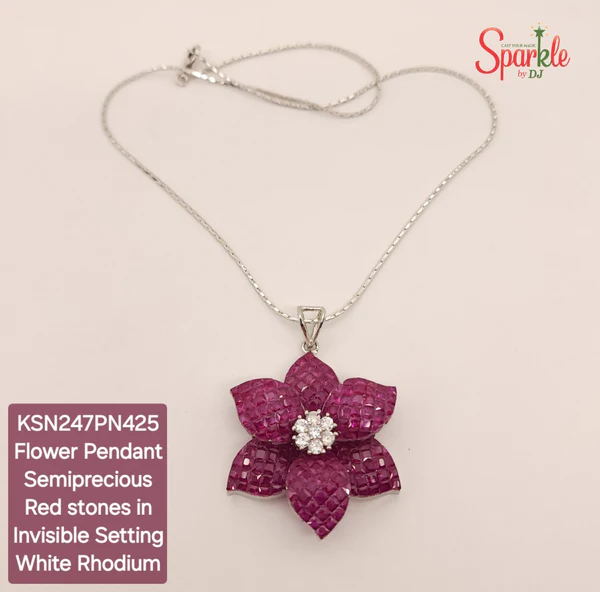
Buying a diamond is exciting—but it can also feel confusing if you’re shopping online or purchasing for the first time. The best diamond isn’t always the biggest one. It’s the one with the right balance of sparkle, quality, certification, and value.
This expert diamond FAQ guide answers the most searched questions to help you choose confidently.
Quick Answer
Before buying a diamond, you should understand the 4Cs (cut, color, clarity, carat), check for a trusted diamond certification, compare prices, and choose the right diamond shape and setting for your lifestyle.
Most important things to know:
- Always buy a certified diamond (GIA or IGI)
- Cut matters most for sparkle
- You can save money by choosing near-colorless diamonds (G–J)
- Lab-grown diamonds are real diamonds and cost less
- Always check return policies when buying diamonds online
Diamond Buying FAQs
What are the 4Cs of a diamond?
The 4Cs are the main factors that determine diamond quality and diamond price.
The 4Cs explained:
- Cut – Controls brilliance and sparkle
- Color – Measures how white the diamond appears
- Clarity – Shows inclusions (natural imperfections)
- Carat – The diamond’s weight and size
✅ Cut is the most important C if you want a diamond that shines beautifully.
Why is diamond cut the most important factor?
Diamond cut affects how well the stone reflects light. Even a high-carat diamond can look dull if the cut is poor.
Best cut grades to choose:
- Excellent
- Very Good
A well-cut diamond delivers maximum brilliance, fire, and sparkle—especially in popular engagement rings and fine jewelry.
What diamond color should I choose?
Diamond color refers to how colorless or warm a diamond looks. The most popular diamond color range is G–H, because it looks white but costs less than premium grades.
Diamond color scale (simple guide):
- D–F: Colorless (luxury grade)
- G–H: Near colorless (best value)
- I–J: Slight warmth (great in yellow/rose gold)
- K and below: Noticeable yellow tint
💡 If you want a diamond that looks bright but stays affordable, choose G, H, or I.
What is the best clarity for a diamond?
The best clarity depends on what looks clean to the eye—not just the grading report.
Best clarity grades for value:
- VS1 / VS2 – Eye-clean and high quality
- SI1 – Can be eye-clean if chosen carefully
Clarity grades to avoid (usually):
- I1 or lower (visible inclusions)
✅ A VS2 diamond is often the perfect balance of beauty and price.
What does carat mean in diamonds?
Carat is the weight of the diamond, which affects its size and price.
Popular diamond carat sizes:
- 0.50 carat – Elegant and affordable
- 1.00 carat – Most popular engagement ring size
- 1.50–2.00 carats – Luxury statement look
- 2.50+ carats – Premium high-end jewelry style
💡 Carat doesn’t always mean bigger appearance—diamond shape matters too.
How do diamond shapes affect price and appearance?
Diamond shape impacts sparkle, size, appearance, and cost.
Most popular diamond shapes:
- Round Brilliant – Most sparkle, most expensive
- Oval – Looks larger than round, very trendy
- Princess Cut – Modern, sharp sparkle
- Cushion Cut – Soft, romantic vintage feel
- Emerald Cut – Sleek, luxury look with less sparkle
- Pear Shape – Feminine and unique
- Marquise – Dramatic and elongating
💡 If you want a diamond that looks bigger for your budget, choose oval, pear, or marquise.
What is a diamond certification, and why is it important?
A diamond certification is an official grading report that confirms the diamond’s quality.
Best diamond certification labs:
- GIA (Gemological Institute of America)
- IGI (International Gemological Institute)
A certified diamond gives you confidence about the 4Cs and protects you from overpaying.
✅ Always ask for the diamond certificate number when shopping online.
How do I know if a diamond is real?
A real diamond should come with certification and pass professional testing.
Ways to confirm a real diamond:
- Check for a GIA or IGI report
- Look for a laser inscription (often on the diamond girdle)
- Buy from a trusted jeweler
- Avoid deals that seem too cheap
💡 If you’re buying fine jewelry online, certification is the safest proof.
Should I buy a natural diamond or a lab-grown diamond?
Both are real diamonds, but they differ in origin and price.
Natural diamonds:
- Formed in the earth over billions of years
- Higher resale value
- Traditional luxury choice
Lab-grown diamonds:
- Created in a lab with the same chemical structure
- Usually 30–60% less expensive
- Eco-conscious and modern option
✅ If you want maximum size for your budget, lab-grown diamonds are a smart choice.
Are lab-grown diamonds considered fake?
No. Lab-grown diamonds are not fake. They are real diamonds with the same hardness, brilliance, and durability as mined diamonds.
The only difference is how they are created.
What is the best diamond for an engagement ring?
The best diamond for an engagement ring is one with an excellent cut, strong sparkle, and a durable setting.
Ideal engagement diamond checklist:
- Excellent cut
- G–H color
- VS2 clarity
- Certified by GIA or IGI
- Set in platinum or gold
💍 Many buyers choose a round or oval diamond for timeless beauty.
How can I save money when buying a diamond?
You can save money by choosing smart diamond grades that still look premium.
Best ways to save without sacrificing beauty:
- Choose G–J color instead of D–F
- Choose VS2 or SI1 clarity instead of flawless
- Select oval or pear shapes for a bigger look
- Buy just under “magic sizes” (0.90 instead of 1.00 carat)
- Consider lab-grown diamonds
💡 Small grade changes can save hundreds or thousands of dollars.
What are “eye-clean” diamonds?
Eye-clean diamonds look flawless to the naked eye, even if they have minor inclusions under magnification.
Why eye-clean diamonds matter:
- They look just as beautiful as higher clarity diamonds
- They cost much less than flawless stones
- Perfect for budget-friendly luxury jewelry
✅ Most VS2 diamonds are eye-clean.
Is it safe to buy diamonds online?
Yes, buying diamonds online is safe if you shop from a trusted jewelry brand with transparent product information.
What to check before buying diamonds online:
- Certification details (GIA/IGI)
- High-resolution images and videos
- Clear return policy
- Secure payment methods
- Verified customer reviews
- Warranty or lifetime service options
Online diamond shopping is popular because it offers a better variety and competitive pricing.
What should I ask a jeweler before buying a diamond?
Before purchasing, ask these important questions:
Must-ask questions:
- Is the diamond certified?
- Can I see the grading report?
- What is the return or exchange policy?
- Is resizing included?
- Does the ring include a warranty?
- Are the prongs and setting secure?
- Is the diamond conflict-free?
These questions help you buy fine jewelry with confidence.
What is a conflict-free diamond?
A conflict-free diamond is sourced ethically and not linked to violence or unsafe labor practices.
Most reputable jewelers follow the Kimberley Process, which helps reduce unethical diamond trading.
✅ Always choose jewelers that provide transparency about diamond sourcing.
What diamond setting is best for security?
The safest diamond settings are those that protect the stone and reduce snagging.
Most secure ring settings:
- Bezel setting – Surrounds the diamond fully
- Prong setting – Classic, but must be well-crafted
- Halo setting – Adds protection and extra sparkle
💡 For active lifestyles, bezel settings are one of the best choices.
What metal is best for diamond jewelry?
The best metal depends on style and durability.
Best metals for diamond rings:
- Platinum – Most durable, luxury option
- 18K Gold – Rich look, high-end feel
- 14K Gold – Strong and great for daily wear
- White Gold – Popular, but needs occasional re-plating
- Rose Gold – Romantic, trendy, and durable
✅ Platinum is best for long-term durability and luxury engagement rings.
How do I choose a diamond for a gift?
When buying a diamond gift, focus on timeless jewelry designs that match everyday fashion.
Best diamond gift options:
- Diamond stud earrings
- Diamond pendant necklaces
- Diamond tennis bracelets
- Minimalist diamond rings
💎 Diamond jewelry is one of the most meaningful luxury gifts for birthdays, anniversaries, and weddings.
What mistakes should I avoid when buying a diamond?
Many first-time buyers overpay because they focus only on carat size.
Common diamond buying mistakes:
- Choosing carat over cut quality
- Buying without certification
- Ignoring return policies
- Selecting poor settings that loosen easily
- Overpaying for flawless clarity that isn’t visible
- Not comparing similar diamonds online
💡 Always prioritize sparkle, quality, and long-term wear.
Expert Diamond Buying Tips (Quick Checklist)
What should I check before buying a diamond?
Use this quick checklist before making your final purchase:
Diamond buying checklist:
- ✔ Certified by GIA or IGI
- ✔ Excellent or Very Good cut
- ✔ Eye-clean clarity (VS2 or SI1)
- ✔ Near-colorless grade (G–J)
- ✔ Good setting security
- ✔ Trusted online jeweler
- ✔ Return policy + warranty included
This ensures you get a beautiful diamond with real value.
Final Thoughts: Buying a Diamond Should Feel Exciting
Buying a diamond is a special moment—whether it’s for an engagement ring, anniversary gift, or a luxury jewelry upgrade. When you understand the 4Cs and choose certified diamonds, shopping becomes much easier and more enjoyable.
Ready to shop stunning diamond jewelry with confidence? ✨
Explore elegant engagement rings, diamond earrings, necklaces, and luxury jewelry gifts at Sparkle By DJ and find the perfect sparkle for every occasion. 💎