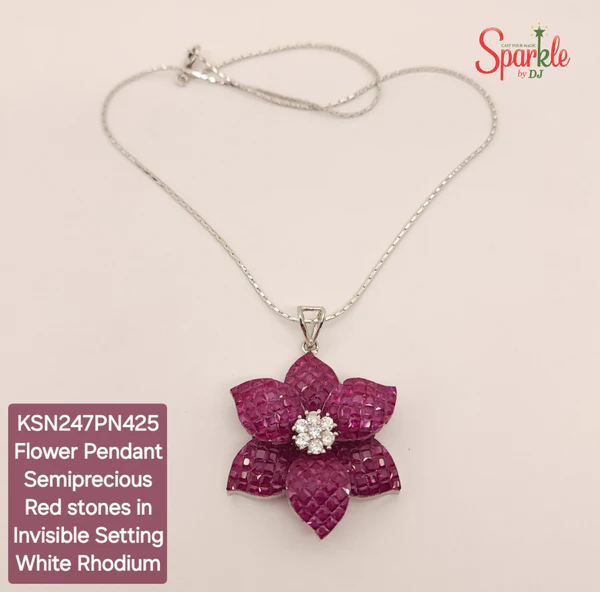
Rhodium plating is a thin, protective coating applied to jewelry to enhance shine, improve durability, and create a brighter finish. Rhodium is a rare, naturally white metal from the platinum family. It is highly reflective and resistant to tarnish, which makes it one of the most popular finishing treatments in modern jewelry.
If you’ve ever noticed how some jewelry has an extra bright, mirror-like shine—especially white gold—that glow is often the result of rhodium plating.
Rhodium plating isn’t just about appearance. It also adds a layer of protection that helps jewelry resist scratching and discoloration, making it a common choice for pieces worn regularly.
Why Is Rhodium Plating Used on Jewelry?
Rhodium plating is widely used because it offers both beauty and performance. Jewelers apply it for several reasons:
1) To make jewelry brighter and whiter
Some metals, like white gold, can naturally appear slightly warm or gray due to the metal alloy used. Rhodium plating gives white gold a crisp, bright white finish.
2) To improve shine
Rhodium has a naturally reflective surface. When applied to jewelry, it creates a high-polish look that stays vibrant longer than uncoated metals.
3) To protect against tarnish and corrosion
Rhodium doesn’t tarnish easily, which helps plated jewelry maintain its appearance. This is especially useful for silver jewelry, which can tarnish over time.
4) To reduce surface wear
While no jewelry is completely scratch-proof, rhodium plating adds a protective barrier that helps reduce visible wear from daily use.
What Jewelry Is Commonly Rhodium Plated?
Rhodium plating is most commonly found on:
- White gold rings, bracelets, necklaces, and earrings
- Sterling silver jewelry (to reduce tarnish)
- Some fashion jewelry made for high-shine finishes
- Pieces with diamonds or bright stones, where extra shine enhances sparkle
White gold is the most well-known example. Even though white gold is made by mixing gold with white metals, it often still has a slightly warm tone. Rhodium plating creates the bright, clean silver-white look people expect.
Does Rhodium Plating Wear Off?
Yes, rhodium plating can wear off over time because it is a surface layer. How long it lasts depends on how frequently the jewelry is worn and how much friction it experiences.
Rhodium plating may wear faster on:
- Rings (especially on the underside)
- Bracelets (due to frequent contact and movement)
- Pieces worn daily
- Jewelry exposed to lotions, sweat, perfume, and water
When the plating begins to wear down, the jewelry may look slightly duller or show a warmer tone underneath (especially with white gold).
This is normal and can be restored by re-plating.
How Long Does Rhodium Plating Last?
There’s no exact timeline because it depends on wear habits. However, many people find rhodium plating can last anywhere from several months to a few years before noticeable fading.
Factors that affect plating longevity include:
- How often you wear the piece
- Your skin chemistry and sweat levels
- Contact with chemicals, soaps, and perfumes
- How the jewelry is stored and cleaned
Bracelets and rings typically need re-plating more often than necklaces or earrings, since they come into contact with surfaces more frequently.
Is Rhodium Plating Safe for Sensitive Skin?
Rhodium is generally considered hypoallergenic, which means it’s often a good choice for people with sensitive skin. It creates a protective barrier between the skin and the metal underneath.
This can be especially helpful if:
- Your skin reacts to nickel or other alloys
- You experience irritation from certain metals
- You want a smoother, more skin-friendly surface
However, once the plating wears down, any underlying metal could contact the skin again, which is why re-plating may help if irritation returns.
How to Care for Rhodium-Plated Jewelry
Rhodium-plated jewelry is relatively easy to care for, but gentle habits help the finish last longer.
Best care tips:
- Remove jewelry before showering, swimming, or cleaning
- Avoid exposing it to perfume, lotion, hairspray, and harsh chemicals
- Store it in a soft pouch or jewelry box to prevent scratches
- Clean gently using mild soap and warm water
- Avoid abrasive cloths or harsh cleaners
Keeping rhodium-plated jewelry away from rough surfaces and chemicals helps preserve the shine and slow down wear.
Rhodium Plating vs Solid Metal: What’s the Difference?
Rhodium plating is a coating, not a solid metal base. The jewelry underneath might be white gold, sterling silver, or another metal.
Rhodium plating:
- Improves shine and whiteness
- Offers a protective top layer
- Can wear off and be renewed
Solid metals like platinum:
- Are naturally white
- Don’t rely on plating
- Usually cost more
Many people choose rhodium-plated jewelry because it offers the bright look of platinum with a more accessible price point.
Final Thoughts: What Is Rhodium Plating?
Rhodium plating is a thin layer of rhodium applied to jewelry to create a bright white shine and added protection. It’s commonly used on white gold and sterling silver to enhance appearance, reduce tarnish, and provide a sleek polished finish.
At SparklebyDJ, rhodium-plated styles are a great choice if you love jewelry that looks crisp, radiant, and modern. With proper care, rhodium plating helps your favorite pieces stay beautiful and luminous for longer.